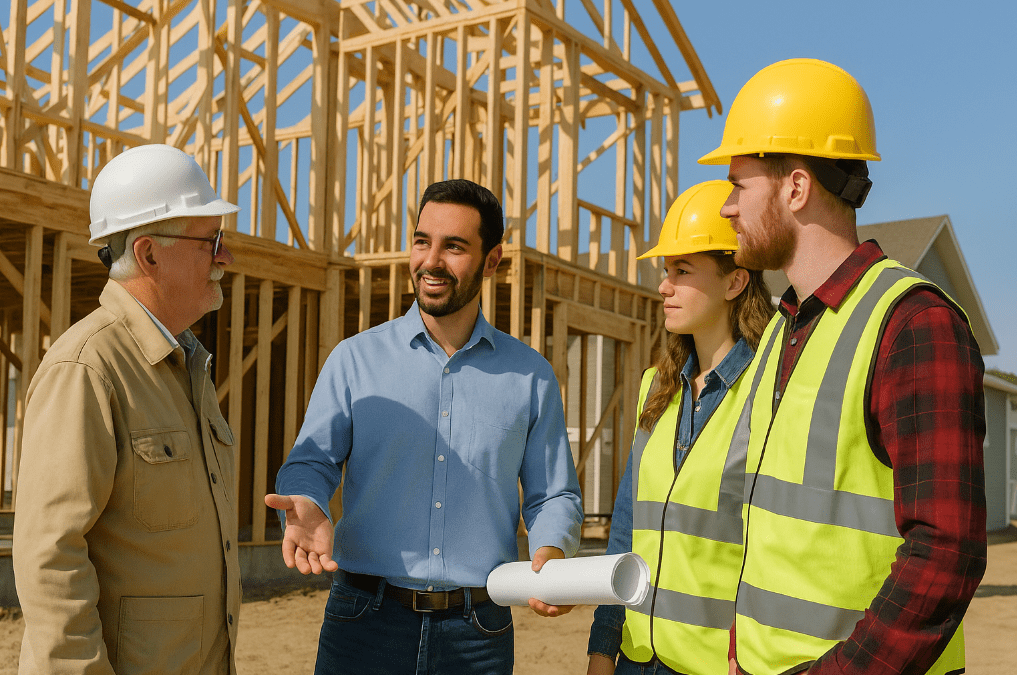
When I talk to first-time builders, especially anyone trying to become an affordable home builder, they usually want to know about foundations, framing prices, and budgets. JR was no different. He asked about survey costs, whether a draftsman could replace an architect, what a framer should charge per square meter, and how to structure a construction budget with contingency. All good questions. But what stood out about JR wasn’t his grasp of the technical or the numbers—it was his instinct for people.
If you want to build truly affordable homes, the hard truth is this: you cannot spreadsheet your way to low costs. You have to sell the idea of affordable housing to your subcontractors and suppliers. That means convincing them to help you look for savings in every trade, even when it runs against their instincts. Subs are trained by experience to protect their margins and pad for risk. To get them to lean in the opposite direction—to sharpen their pencil, simplify details, and cooperate with each other—you need more than a good set of plans. You need them to like you and believe in what you’re doing.
JR understood this, even if he didn’t put it in those words. He talked about working with local housing authorities, about price points that match what the neighborhood can actually afford, and about how badly the area needs better-built, lower-cost houses. That is exactly the story you have to sell to your team: we’re not getting rich on one house; we’re building a pipeline of work that matters and will keep you busy for years. Once a plumber or framer buys into that—because you’ve taken them to lunch, listened to their frustrations, adjusted details to make their job easier—then they start bringing you solutions instead of excuses.
In affordable building, plans and pro formas are necessary, but they’re not sufficient. The critical skill is the builder’s ability to recruit a “coalition of the willing” among subs and suppliers. JR has that trait: he’s personable, persistent, and unembarrassed to ask for help while still projecting a clear vision. That combination is more valuable than any software or estimating template. If you can’t inspire your team to join the hunt for cost savings, you will never build truly affordable houses—no matter how good your drawings are.
Also read: Sam Rashkin on Building the Next-Generation Future-Ready Home